
The right slope for your Whitby shingle roof is crucial for both aesthetic appeal and structural integrity. In an area prone to diverse weather patterns, choosing the appropriate slope ensures your roof efficiently sheds water, preventing costly leaks and damage. However, with various styles and regional considerations, selecting the ideal slope can feel overwhelming. This article guides you through the process, offering insights into local building codes, durable materials, and expert advice from the Roofing Association of Whitby. By the end, you'll be equipped to make an informed decision for your home's unique needs, ensuring your Whitby shingle roofing stands the test of time.
- Assess Roof Pitch for Optimal Whitby Shingle Roofing
- Consider Climate, Region in Slope Selection
- Choose Slope for Long-Term Whitby Shingle Performance
Assess Roof Pitch for Optimal Whitby Shingle Roofing

When considering Whitby shingle roofing, one of the most crucial decisions homeowners make is the roof's pitch or slope. This angle matters in the overall effectiveness and aesthetic appeal of your roofing system. A well-chosen slope ensures optimal performance, drainage, and longevity for your Whitby shingles.
The ideal pitch depends on various factors, including your climate, local building codes, and personal aesthetic preferences. In regions with heavy snowfall, for example, a steeper pitch promotes better snow shedding, reducing the risk of ice damage. Conversely, in milder climates, a shallower slope can be more efficient, allowing for better heat retention during colder months and better cooling during warmer periods. The Roofing Association of Whitby recommends that homeowners consult with experienced roofers to determine the best slope for their specific situation.
When assessing your roof's pitch, consider the best type of Whitby shingles for your needs. Different slopes may be better suited for certain Whitby shingle styles and colors. A steeper roof can accommodate thicker, more ornate shingles, while a shallower pitch might be more suitable for standard, three-tab Whitby shingles. Understanding your roof's pitch is crucial for DIY Whitby shingle repair or replacing old shingles, as it dictates the amount of material needed and the overall repair or replacement process.
To ensure a durable and aesthetically pleasing Whitby roofing system, regular maintenance and inspections are key. Visit us at best practices for Whitby roofing to learn more about expert advice and long-term care strategies. Remember, the right slope is a fundamental aspect of achieving a well-functioning, low-maintenance Whitby shingle roofing system that can stand the test of time and protect your home effectively.
Consider Climate, Region in Slope Selection
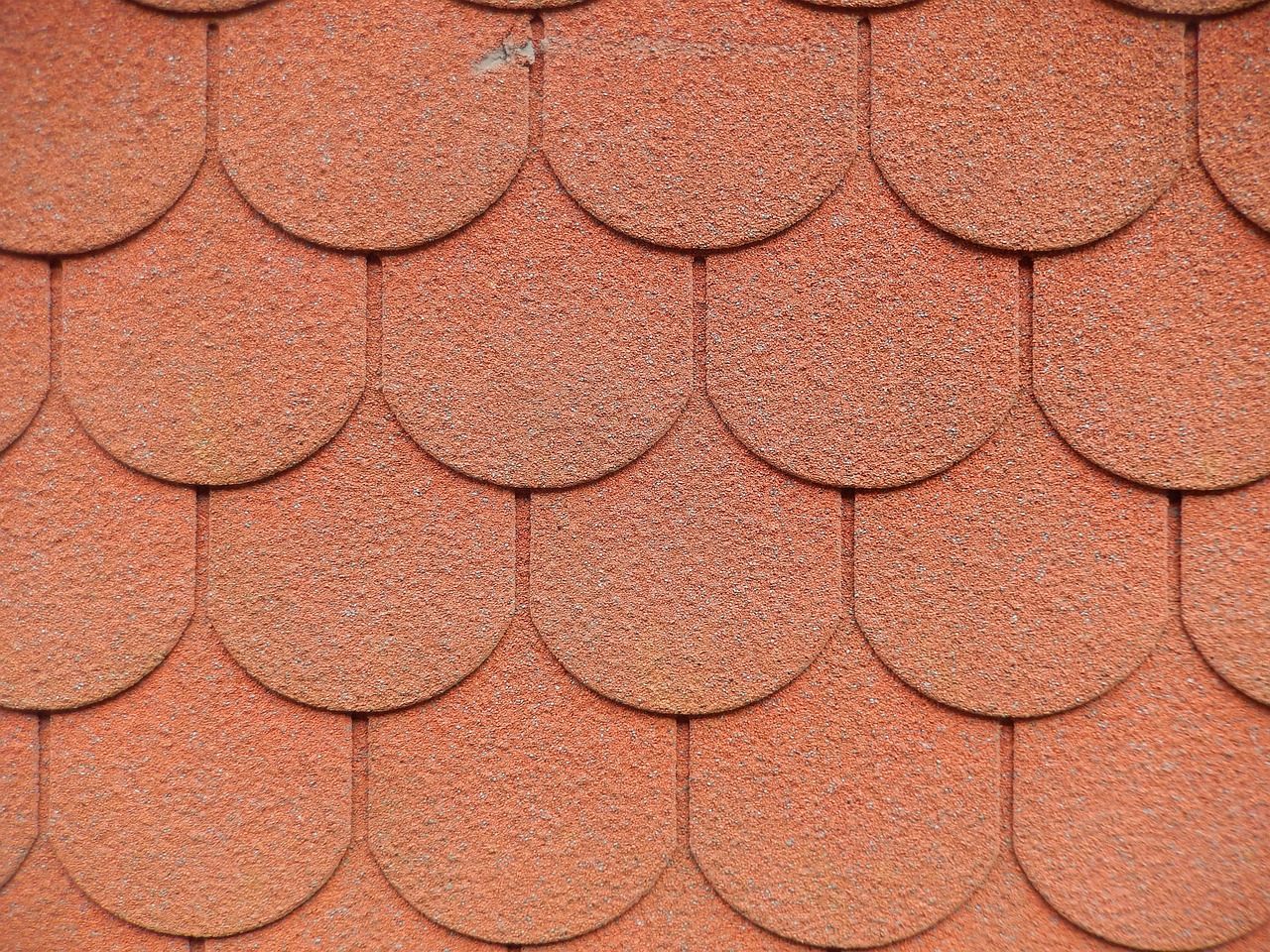
When selecting the ideal slope for your Whitby shingle roof, consider more than just aesthetics; it's a crucial factor in the roof's longevity, energy efficiency, and your region's specific climate. The appropriate slope can enhance drainage, prevent ice damage, and ensure your roof withstands the test of time. In regions with heavy snowfall, a steeper slope can aid in snow shedding, reducing the risk of ice buildup that could lead to leaks. Conversely, in warmer climates, a shallower pitch might be more suitable to minimize heat absorption and reduce cooling costs.
Local building codes often dictate minimum slope requirements based on geographical considerations. These codes are designed to ensure safety and protect against natural elements unique to each region. In coastal areas prone to high winds, steeper slopes may be mandated to resist uplift pressure. When considering a Whitby shingle roof replacement, understanding these codes is essential. The Roofing Association of Whitby can provide guidance on regional regulations and best practices, aligning your project with both local laws and expert recommendations.
Climate data plays a pivotal role in slope determination. Long-term weather patterns reveal average rainfall, temperature fluctuations, and snow accumulation rates. These insights enable homeowners to make informed decisions. As climate change patterns evolve, so too do optimal slope considerations. Homeowners in areas experiencing more extreme weather events may want to consult with experienced roofers to assess the need for structural reinforcement or a revised slope to enhance the roof's resilience.
Choosing the right slope for your Whitby shingle roof involves a nuanced understanding of your region's climate, local building codes, and the long-term weather patterns. This critical decision impacts not only your roof's visual appeal but also its functionality, energy efficiency, and longevity, ultimately affecting your investment. When in doubt, consult with local roofing experts who can provide tailored advice based on your specific circumstances. Remember, the right slope makes all the difference in the durability and performance of your Whitby shingle roofing system. Find us at how much does a whitby roof cost to get a comprehensive understanding of your investment.
Choose Slope for Long-Term Whitby Shingle Performance
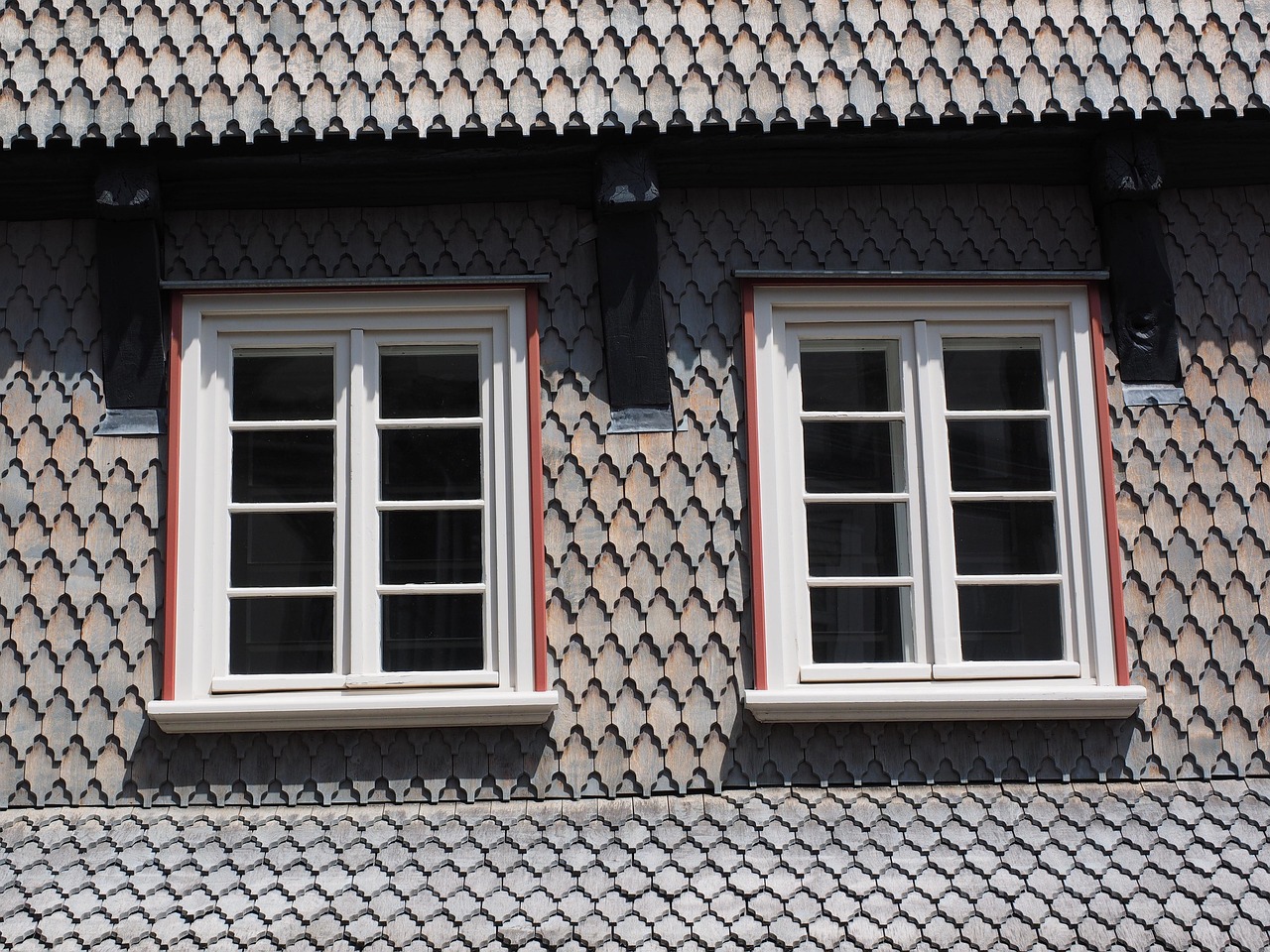
Choosing the right slope for your Whitby shingle roof is crucial for long-term performance and durability. The ideal pitch, or slope, ensures optimal water runoff, prevents debris buildup, and protects against damage from extreme weather conditions. While a steeper slope offers better drainage, it also increases the structural load on the roof, necessitating stronger underlayment and framing. Conversely, a shallower slope is easier to construct but may lead to slower water shedding, increasing the risk of leaks and moisture damage.
For Whitby shingle roofing, a slope between 30 and 45 degrees is generally recommended. This range strikes a balance between efficient water flow and reasonable structural demands. A 35-degree pitch is a popular choice due to its effectiveness in managing water while remaining feasible for most building structures. However, consider consulting with experienced roofers to determine the best angle for your specific roof design and local building codes. A low-slope roof might be more suitable for historical homes or structures with unique architectural features, where a steeper pitch could compromise the building's aesthetics.
When evaluating your options, remember that repairing damaged Whitby roofs becomes more complex with excessive slope variations. Steep roofs may require specialized skills and safety gear for repairs, while shallow pitches can make water penetration more likely if not properly flashed and sealed. Black slate Whitby shingles, known for their durability, need a well-designed roof system to handle water flow, especially in regions with significant snowfall and rain. Following Whitby roof replacement guidelines and engaging with local roofing specialists can help ensure your roof's longevity, regardless of the chosen slope. Visit us at fix a leaking whitby roof anytime for professional assistance and guidance tailored to your specific needs.
Choosing the right slope for your Whitby shingle roof is a crucial decision that impacts both its longevity and performance. By assessing roof pitch, considering regional climate factors, and understanding the long-term benefits, you can ensure your roofing system provides superior protection. This article has guided you through the essential steps, emphasizing the importance of a well-planned slope. Now, armed with this knowledge, you're ready to make an informed choice, ensuring your Whitby shingle roofing performs optimally for years to come. The key takeaways: assess your roof's natural pitch, align it with your local climate, and select a slope that supports the overall structural integrity and aesthetic appeal of your property.
Choosing the Right Whitby Shingle Roof Slope:
Selecting the optimal slope for your Whitby shingle roof involves considering climate, building codes, and personal preferences. The ideal pitch promotes water runoff, prevents ice damage, and ensures structural integrity. A steeper slope is better for drainage but increases load, while a shallower pitch is easier to construct but may compromise water flow. The Roofing Association of Whitby recommends consulting experts for tailored advice. Slope choices impact shingle styles, maintenance, and repair, with 30-45 degrees being generally recommended. Local building codes and climate data are crucial, especially for historic buildings. Engage with local roofing specialists for the best guidance.